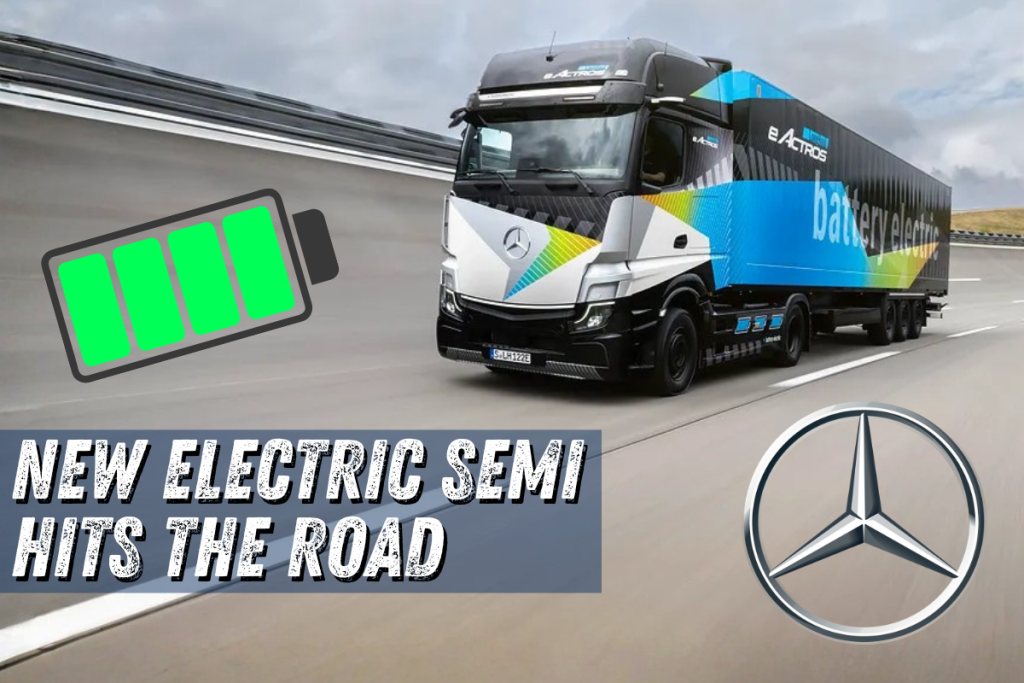
As the world of modern trucking keeps changing, and this week brings a notable milestone from South America. A new fleet of electric Mercedes-Benz eActros trucks has officially started service in Chile.
According to Electrek, this first batch is part of a pilot program designed to test how well fully electric heavy-duty trucks can handle everyday hauling tasks in long-haul and regional freight environments. So far, Mercedes-Benz says these eActros trucks are being put through their paces on Chilean routes that include steep terrain and real delivery schedules.

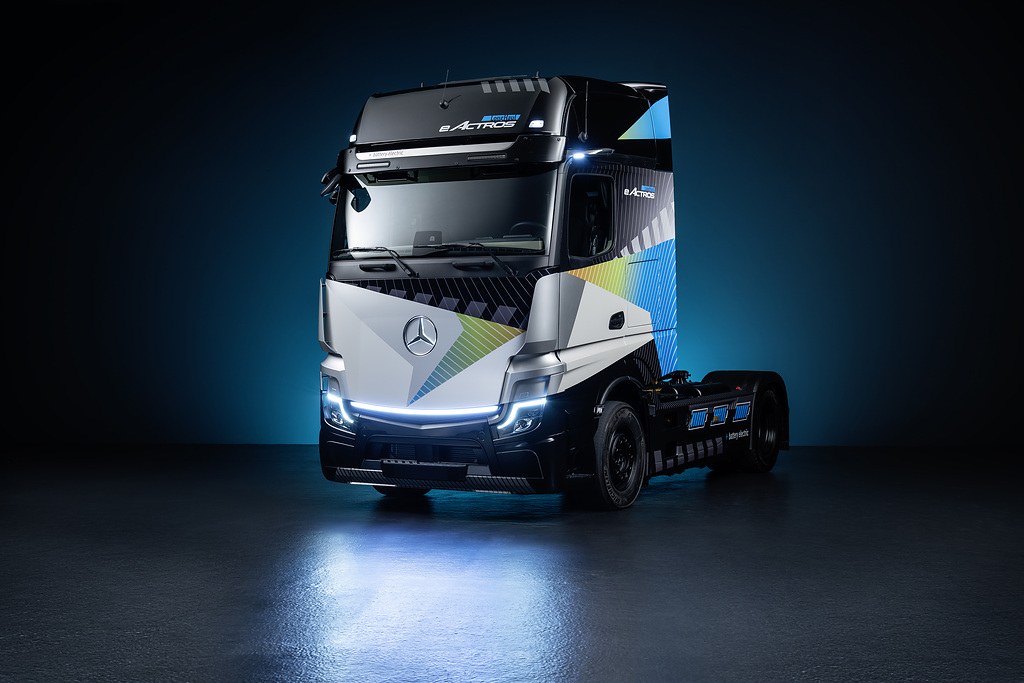
From a driver perspective, the electric eActros still looks and feels like a proper Class 8 truck, with a cab and layout familiar to anyone used to normal diesels. But under the hood it’s powered by a battery pack and electric motors instead of a combustion engine. Mercedes-Benz hopes the real-world data and driver feedback from the Chile program will help refine battery range, charging logistics, and overall durability as electric rigs become a more common sight.
The Mercedes-Benz eActros 600 gets its name from its massive battery setup — more than 600 kWh of total capacity, coming from three 207 kWh lithium iron phosphate (LFP) battery packs. Mercedes chose LFP chemistry for its durability and ability to handle frequent high-speed charging, along with a projected service life of up to 1.2 million kilometers (about 750,000 miles). Power from those batteries feeds an 800-volt electric drive axle developed in-house by Daimler Trucks, integrating two electric motors and a heavy-duty transmission built specifically for long-haul efficiency. The system delivers up to 600 kW (around 805 horsepower), allowing the eActros 600 to haul up to 40 tons of combined vehicle weight for more than 300 miles on a single charge, depending on conditions.

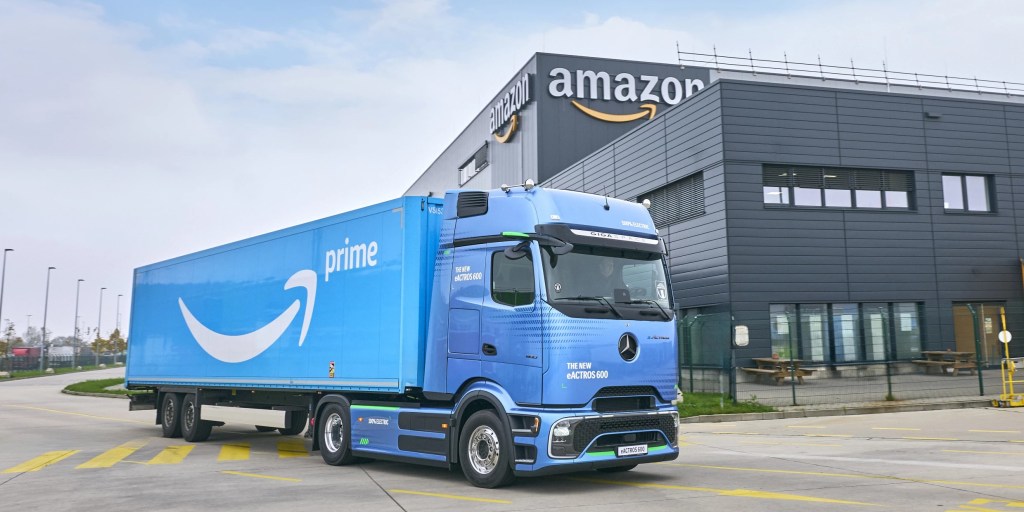
Take a look at the electric big rig:

For truckers and fleets watching the industry shift, this is another sign that battery-powered big rigs arestarting to show up in actual service around the world. Whether electric semis become a major player in North America’s long-haul lanes still depends on charging infrastructure, range improvements, and total operating cost, but deployments like Chile’s help answer those questions one route at a time.